
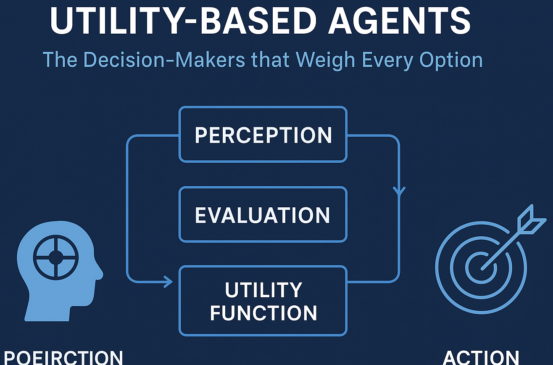
If you’ve ever wondered how AI systems make smart decisions in real-world scenarios, you’re in the right place. Today, we’re diving into the world of utility based agents in AI. These are a type of intelligent agents in AI that go beyond simple rules to choose actions based on what’s “best” for them—kind of like how you pick the quickest route home to maximize your chill time. In this post, we’ll cover everything from the basics of artificial intelligence agents to utility based agent examples, types of AI agents, and the role of the utility function in AI. Whether you’re curious about AI decision making agents or just getting started with utility agent artificial intelligence, I’ve got you covered in plain English. Let’s break it down!
What Are Intelligent Agents in AI?
Before we zoom in on utility based agents, let’s start with the bigger picture: intelligent agents in AI. Think of them as the “brains” behind many AI systems. An intelligent agent is basically a program or device that perceives its environment through sensors and takes actions to achieve goals. It’s like a robot vacuum that “sees” dirt and decides to clean it up.
These agents are everywhere—from your smartphone’s voice assistant to self-driving cars. They operate autonomously, learning from data and making decisions without constant human input. The key? They aim to maximize success in uncertain or complex environments. This leads us to different types of AI agents, where utility based agents shine as advanced problem-solvers.
In simple terms, artificial intelligence agents bridge the gap between data and action. They use algorithms to process information and respond intelligently. For instance, a basic agent might follow if-then rules, but more sophisticated ones, like utility agent artificial intelligence, evaluate outcomes for the best possible result.
Types of AI Agents: From Simple to Advanced
When it comes to types of AI agents, there’s a whole spectrum. Understanding these helps you see where utility based agents fit in. Here’s a quick breakdown:
- Simple Reflex Agents: These react based on current perceptions only. Like a thermostat turning on heat when it’s cold—no planning involved.
- Model-Based Reflex Agents: They keep an internal model of the world to handle partial information. Think of a chess AI that remembers board states.
- Goal-Based Agents: These plan actions to achieve specific goals, searching for the best path.
- Utility Based Agents: The stars of our show! They choose actions that maximize “utility” or happiness in outcomes.
- Learning Agents: These improve over time through experience, like recommendation systems on Netflix.
Utility based agents stand out among types of AI agents because they don’t just aim for goals—they weigh how good each outcome is. This makes them ideal for real-life scenarios with multiple possible results.
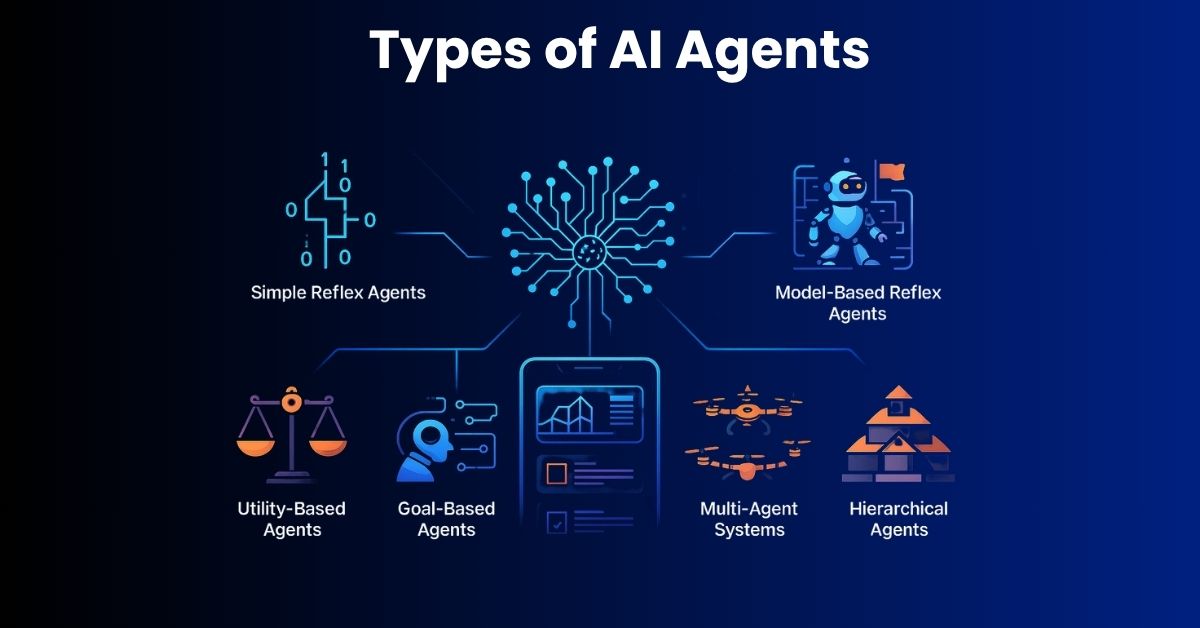
As you can see, utility based agents build on simpler ones, adding a layer of evaluation that’s crucial for AI decision making agents.
Understanding Utility Based Agents in Depth
So, what exactly is a utility based agent in AI? At its core, a utility based agent is an advanced type of artificial intelligence agent that selects actions by calculating the “utility” or expected satisfaction of different outcomes. Unlike goal-based agents that just aim to hit a target, these agents rank options based on how desirable they are.
Imagine you’re an AI controlling a self-driving car. A goal-based agent might just avoid obstacles to reach the destination. But a utility based agent would consider factors like passenger comfort, fuel efficiency, and time—choosing a route that’s not just safe but optimally pleasant.
These agents operate in environments with uncertainty, using probability to predict results. They’re part of intelligent agents in AI that mimic human-like decision-making, making them super useful in fields like robotics, gaming, and finance.
The beauty of utility based agents is their flexibility. They use a utility function to score states, ensuring the best possible choice. This is why they’re often called utility agent artificial intelligence—they prioritize value over mere achievement.
The Utility Function in AI: The Secret Sauce
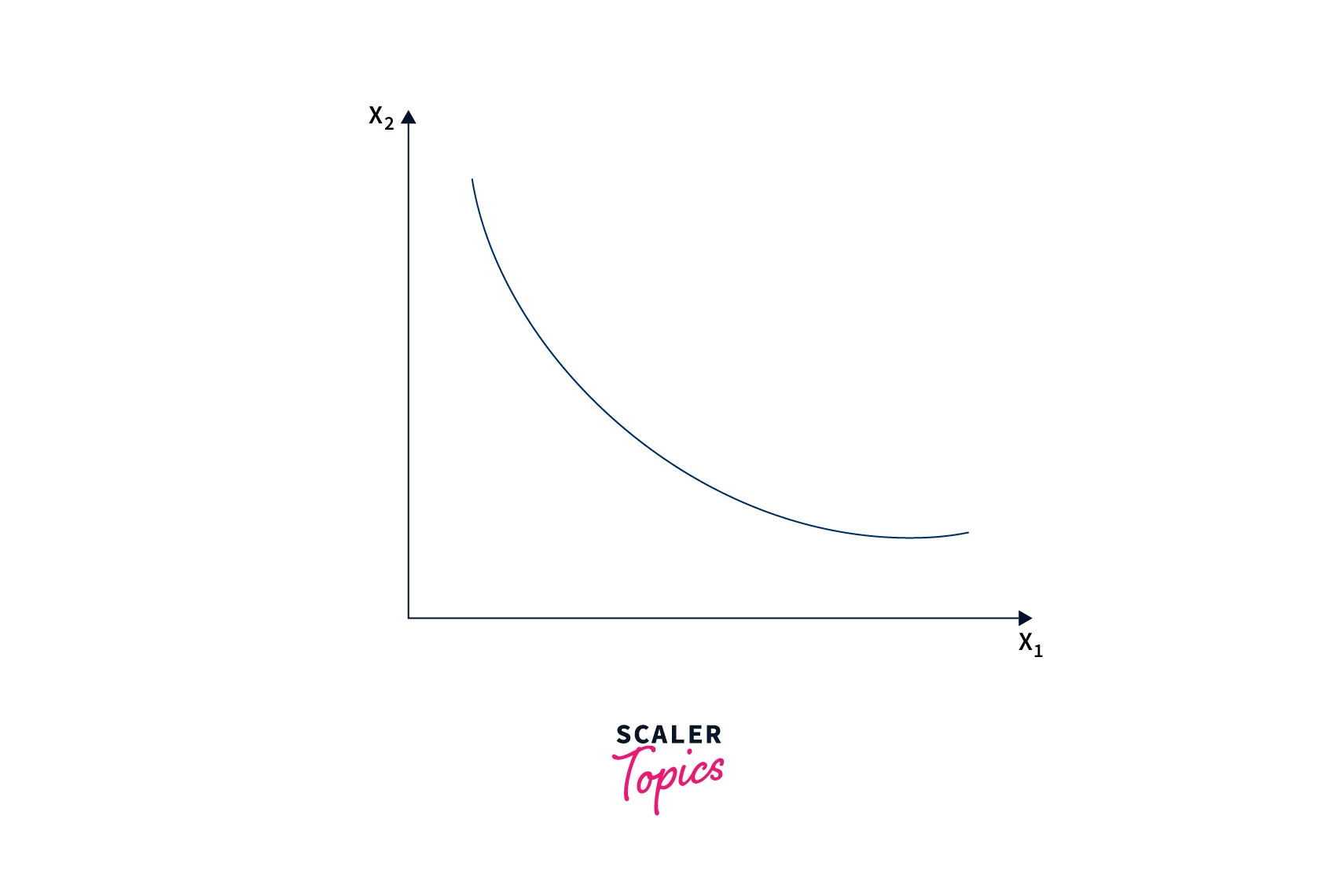
Now, let’s talk about the utility function in AI—the heart of utility based agents. This is basically a mathematical way to assign values to different outcomes. Higher utility means a better choice.
For example, in a utility based agent example like a stock trading bot, the utility function might value high returns low risk. It calculates expected utility for each trade: Utility = (Probability of Profit * Reward) – (Probability of Loss * Cost).
In formula terms:
EU(a) = Σ [P(s’|s,a) * U(s’)]
Where EU is expected utility, P is probability, U is utility, s is state, a is action.
This function allows AI decision making agents to handle trade-offs. In complex scenarios, like healthcare diagnostics, it might weigh accuracy against speed.
Understanding the utility function in AI helps demystify why these agents feel “smart.” It’s not magic—it’s math optimizing for happiness or success.
Utility Based Agent Example: Real-World Applications
To make this concrete, let’s look at a utility based agent example. Take autonomous vacuum cleaners like Roomba. Early models were reflex agents: bump into wall, turn. But modern ones use utility based approaches.
The agent perceives the room (dirt levels, battery, time). Its utility function might prioritize: clean floors (high utility), avoid falls (negative utility), conserve battery (medium utility). It calculates the best path—maybe skipping a clean spot if battery is low.
Another utility based agent example? Recommendation engines on Amazon. They don’t just suggest based on goals (e.g., similar items)—they maximize utility like user satisfaction, purchase likelihood, and revenue.
In gaming, AI opponents in strategy games use utility to decide moves: attack (high risk/reward) or defend (safer but lower utility).
These examples show how utility based agents enhance artificial intelligence agents, making them more adaptive and efficient.
AI Decision Making Agents: The Role of Utility
AI decision making agents are all about choosing wisely, and utility based agents excel here. They differ from other types by quantifying preferences.
For instance, in uncertain environments like stock markets, goal-based agents might aim for “profit,” but utility based ones factor in risk tolerance—avoiding big losses even if it means smaller gains.
This ties back to utility agent artificial intelligence: it’s about optimizing, not just succeeding. In robotics, a drone delivering packages uses utility to balance speed, safety, and fuel.
Compared to other intelligent agents in AI, utility ones handle multiple goals better. They’re key in ethical AI, where utility functions include fairness or human well-being.
As AI evolves, these agents are becoming central to complex systems like smart cities or personalized medicine.
Challenges and Future of Utility Based Agents
Like any tech, utility based agents have hurdles. Designing a good utility function is tricky—what if it misses ethical factors? There’s also computational cost in calculating expected utilities for many options.
But the future looks bright. With machine learning, agents can learn utility functions from data, making them smarter. In 2026, expect more integration in everyday AI, from virtual assistants to autonomous vehicles.
Overall, utility based agents represent a leap in AI decision making, blending logic with value-based choices.
Conclusion: Why Utility Based Agents Matter in AI
Wrapping up, utility based agents in AI are game-changers among types of AI agents. By using the utility function in AI, they make nuanced decisions that simple intelligent agents in AI can’t. From utility based agent examples like smart vacuums to advanced AI decision making agents in finance, they optimize for the best outcomes.
If you’re exploring artificial intelligence agents or utility agent artificial intelligence, remember: these aren’t just tools—they’re the future of smart tech. Dive in, experiment, and see how utility based agents can transform your understanding of AI.
keywords: utility based agent in AI, types of AI agents, utility based agent example, utility function in AI, intelligent agents in AI, AI decision making agents, artificial intelligence agents, utility agent artificial intelligence)
Frequently Asked Questions
What is a utility based agent in AI?
A utility based agent in AI is an intelligent agent that selects actions by maximizing a utility function, evaluating the desirability of outcomes.
What are some utility based agent examples?
Utility based agent examples include self-driving cars optimizing routes for safety and efficiency, or recommendation systems balancing user preferences.
How does the utility function in AI work?
The utility function in AI assigns numerical values to states, helping AI decision making agents choose actions with the highest expected utility.
What are the types of AI agents?
Types of AI agents include simple reflex, model-based, goal-based, utility based agents, and learning agents.
What role do utility based agents play in artificial intelligence agents?
Utility based agents enhance artificial intelligence agents by providing value-based decision-making in complex, uncertain environments.
[…] 4. Utility-Based Agents […]
[…] Utility-based Agents […]
The analogy of choosing the quickest route home to maximize chill time really helped me grasp how utility-based agents prioritize actions. It’s fascinating how the utility function serves as the decision-making compass, especially when dealing with complex, real-world scenarios. I’m curious to explore more examples of how this concept is applied in autonomous systems or robotics.
Thank you for your thoughtful comment! I’m glad the route-home analogy helped clarify how utility-based agents work. You’re absolutely right—the utility function acts like a decision compass, helping the agent choose the action that leads to the best possible outcome. In autonomous systems and robotics, this concept is often used in areas like self-driving cars, robotic path planning, and resource optimization. I’ll definitely try to include more real-world examples of these applications in future posts. and i will try make a dedicated post about more examples of utility agents in autonomous and robotics. Thanks again for sharing your insights!